
Welcoming Monarch Butterflies
Planting for a Purpose: Welcoming Monarchs to Fort Madison
There’s something special about watching a monarch butterfly drift through your yard on a warm summer day. It feels a little magical—and here in Fort Madison, it’s something we can all help create.
This spring, as our local greenhouses begin to open, I’m planting with purpose. Milkweed and tithonia (Mexican Sunflowers) are at the top of my list, and for good reason. These plants don’t just add color to your garden—they create a lifeline for monarch butterflies.
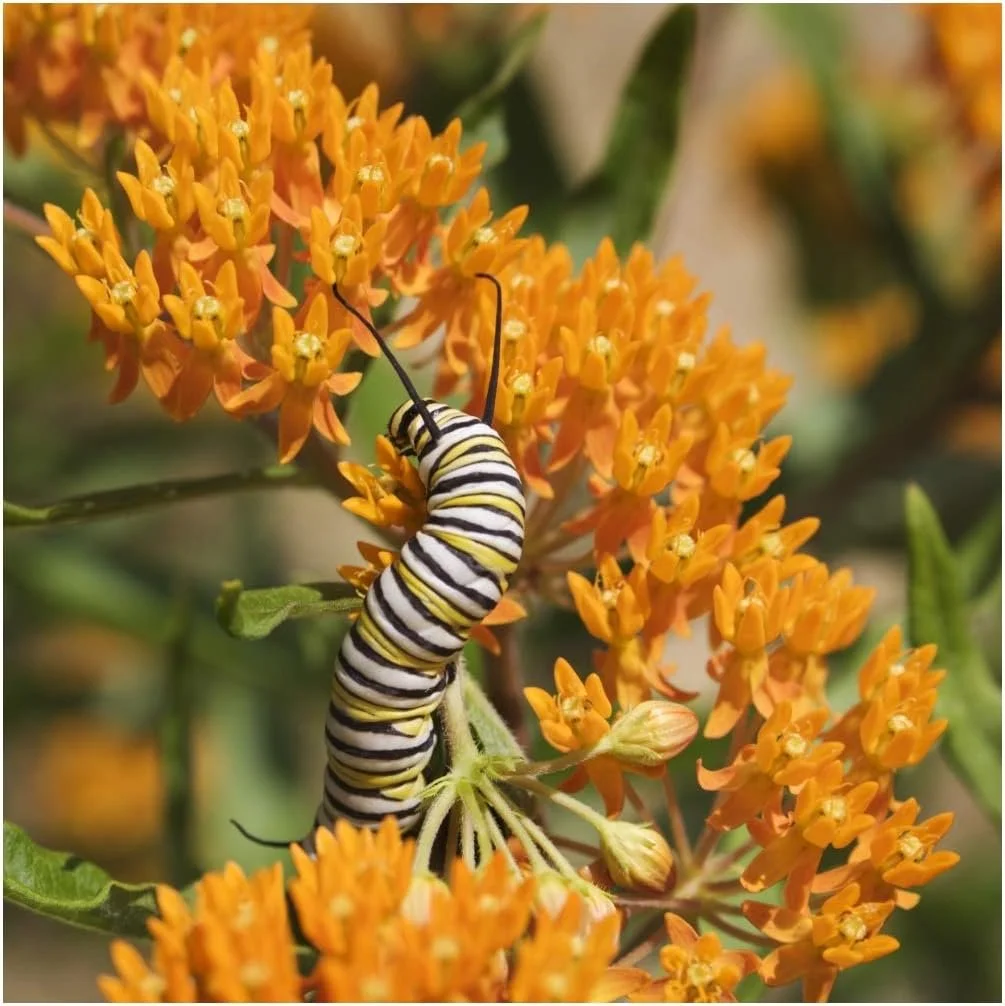
MILKEWEED IS ESSENTIAL
It’s the only plant where monarchs will lay their eggs, and it serves as the sole food source for their caterpillars. Without it, the monarch lifecycle simply can’t continue. That’s why planting milkweed—especially butterfly weed varieties—is one of the most impactful things you can do.
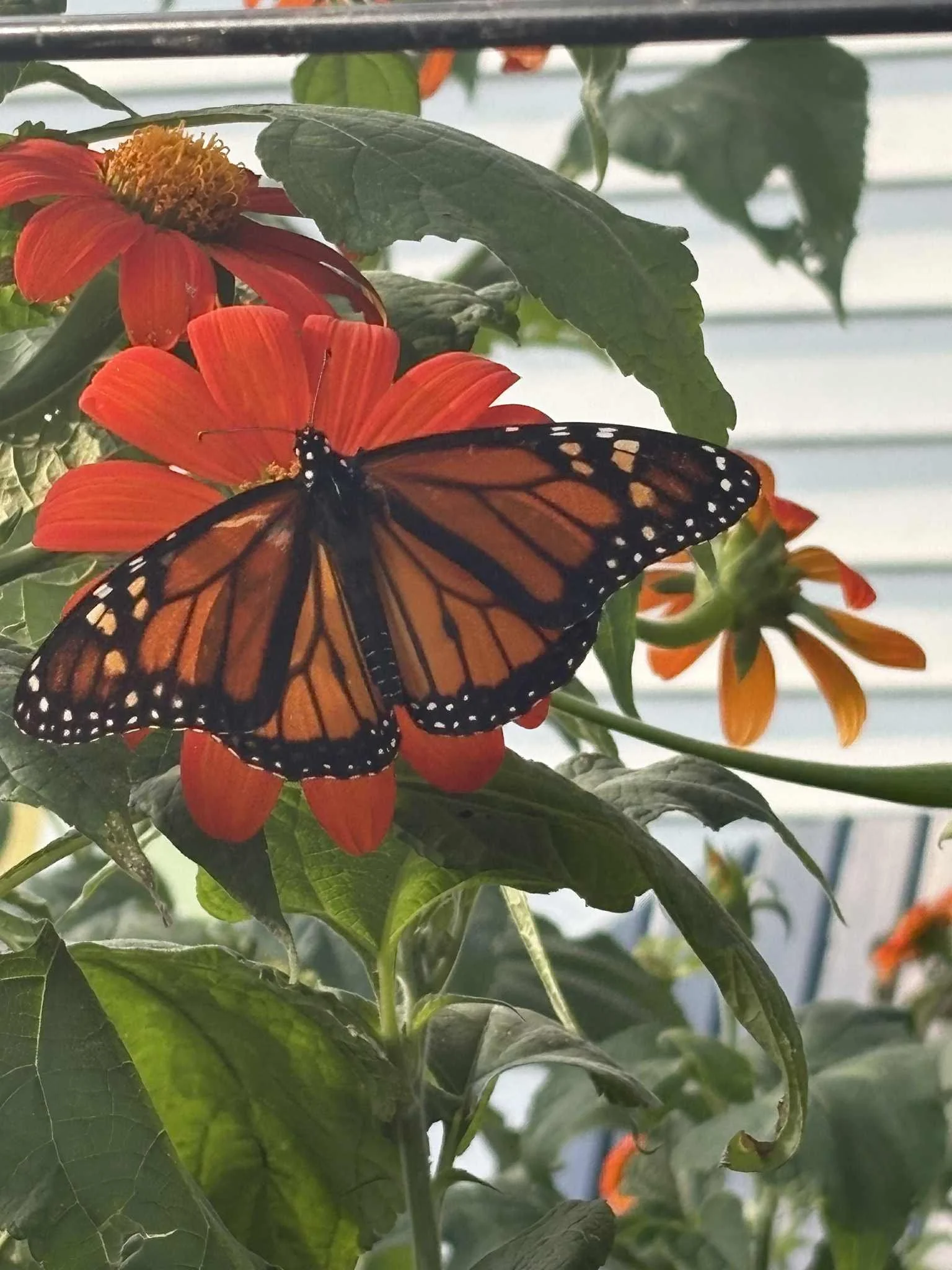
MEXICAN SUNFLOWER
Then comes tithonia, also known as Mexican Sunflower. These bold, bright orange blooms are a favorite nectar source for adult monarchs, especially as they prepare for their incredible fall migration to Mexico. Last year, my own tithonia grew over six feet tall and was constantly alive with butterflies. Watching monarchs fuel up before their journey south was a daily reminder of how connected we are to something much bigger.
If you’re thinking about creating your own monarch-friendly space, it doesn’t have to be complicated. Start with a sunny area—both milkweed and tithonia thrive in full sun. Group your plants together rather than spacing them too far apart. This makes it easier for monarchs to find them and creates a more inviting habitat.
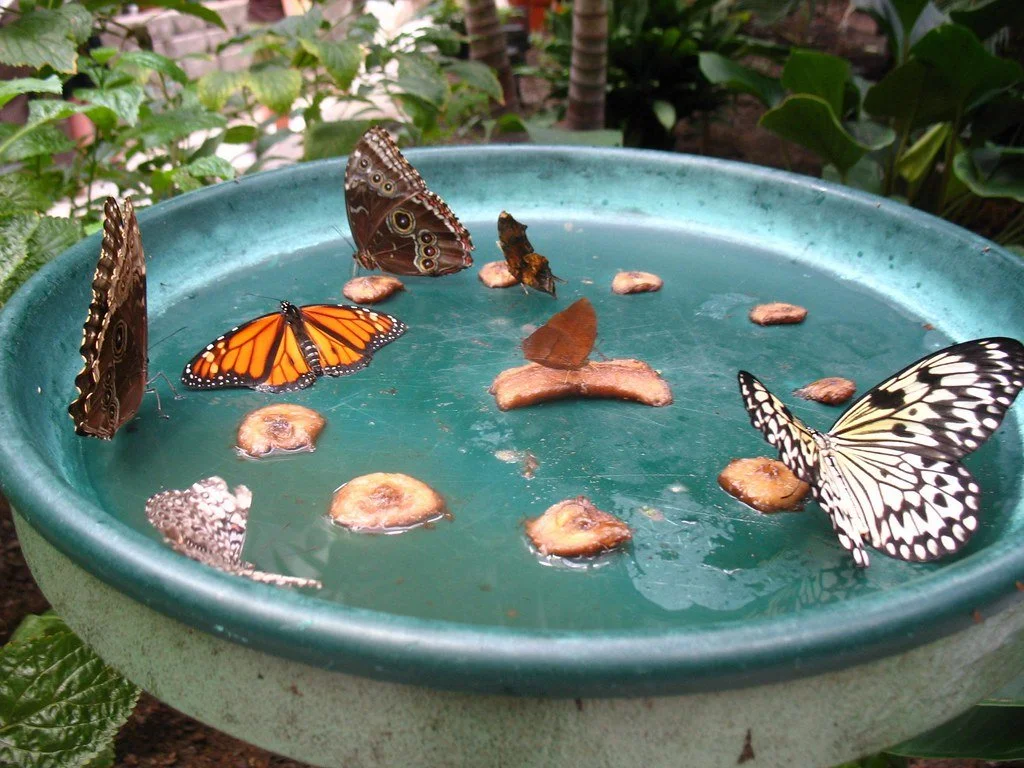
HYDRATE YOUR MONARCH BUTTERFLIES
Water is just as important as the plants themselves when supporting monarchs. Butterflies prefer shallow water sources, so try creating a simple “puddling station” with a dish of sand or small pebbles and just enough water to keep it damp. This gives them a safe place to land and drink. Check it regularly, especially on hot days, to keep it moist. When watering your milkweed and tithonia, focus on the base of the plants in the morning or evening to help retain moisture and keep them healthy.

DROUGHT AND DEER RESISTENT
When it comes to soil, don’t overthink it. These plants are surprisingly hardy. Milkweed can tolerate poorer soils, and tithonia actually prefers well-drained ground. Water them regularly when they’re first getting established, especially during dry stretches, but once they’re mature, they’re fairly drought-tolerant. A good rule of thumb: water deeply a few times a week rather than a little every day to encourage strong root growth. Avoid pesticides if you can—what helps one insect often harms another, and we want these spaces to be safe for pollinators.
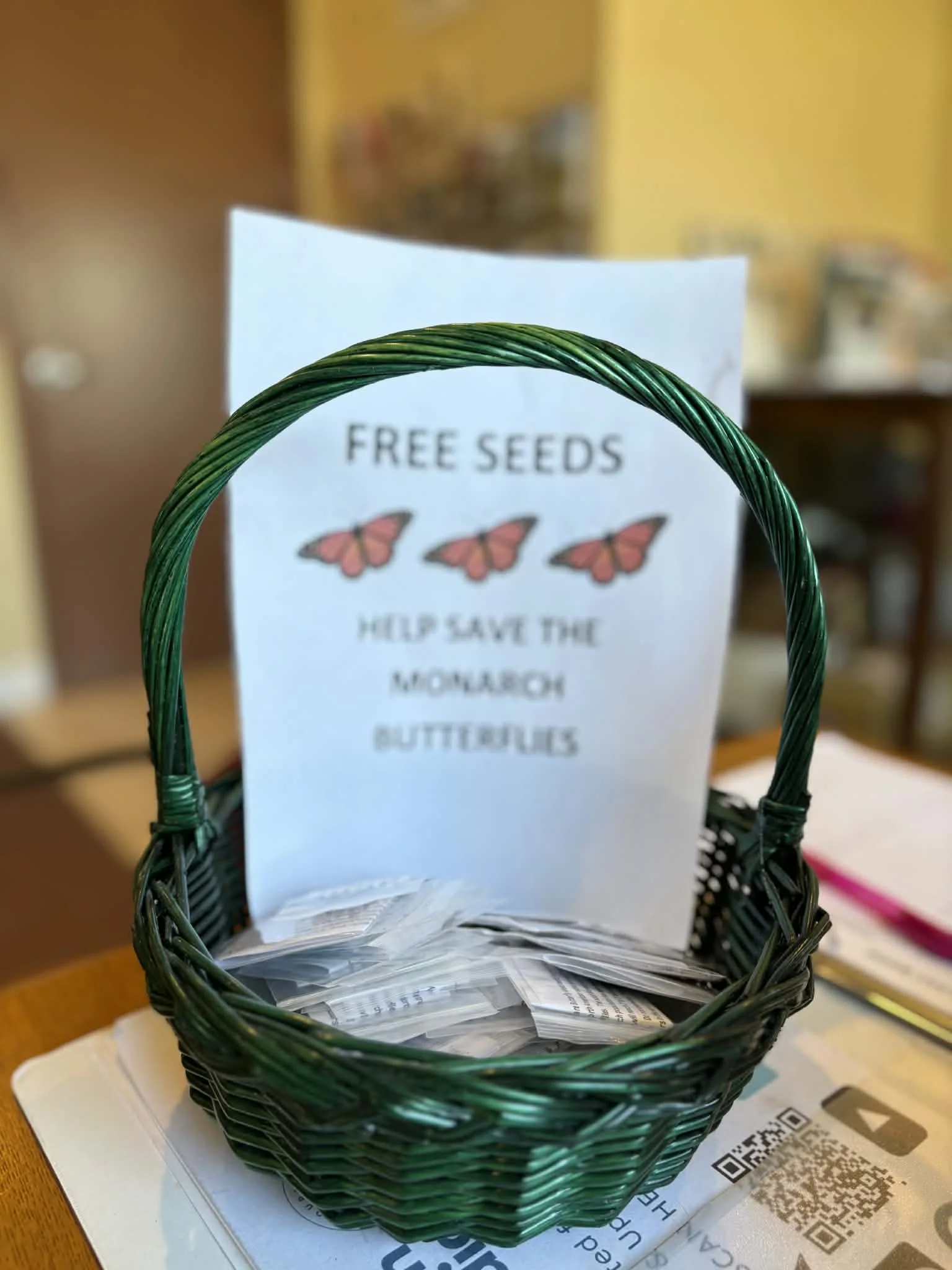
LET US HELP YOU GET STARTED!
If you’d like to get started, we’ve made it easy. A local resident, Linda Smith, has generously provided free butterfly weed seed packets, available at the Fort Madison Tourism Office. I also have seeds collected from my own tithonia plants from last year—straight from that six-foot flower bed that brought in so many monarchs.
Stop in, grab some seeds, and plant something meaningful this season!
Because in Fort Madison, even a small garden can make a big difference—for our butterflies, our environment, and the story we share all the way to Mexico.

Learn how Fort Madison’s history, culture, and nature are beautifully intertwined here.